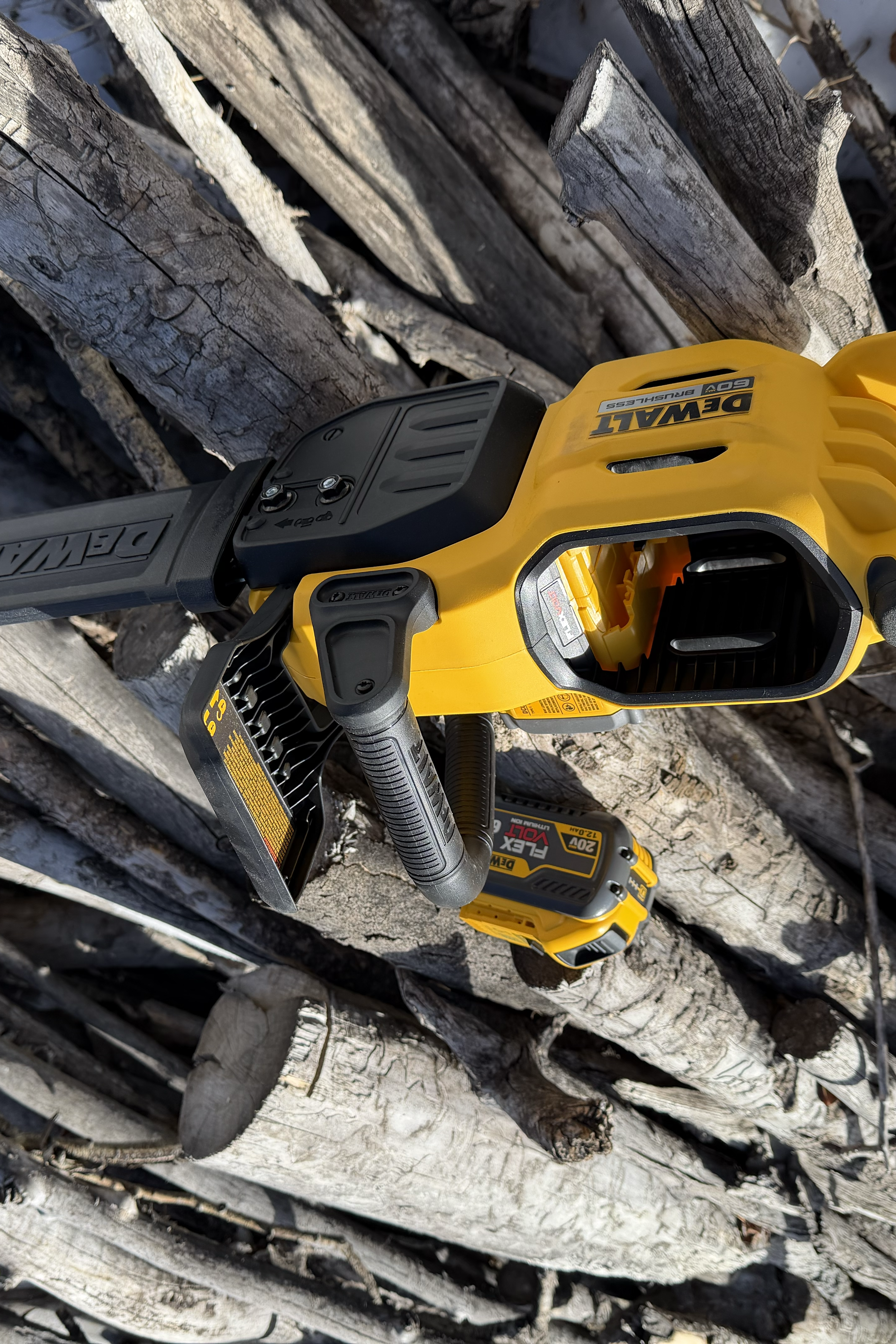
Over the last ten years or so, I’ve steadily invested in the DeWalt 20-volt lithium-ion tool ecosystem. Over time, that lineup expanded into the 60-volt tools DeWalt calls FlexVolt. If you’ve used them, you already know the deal: more power, bigger batteries, and tools that are clearly aimed at heavier, more sustained use.
I’m constantly in DIY mode. I live on a ranch now, and there’s always something that needs to be built, fixed, cut, or repaired. My tools get used—and abused—on a regular basis. Over the last three years in particular, I’ve been expanding more and more into the FlexVolt line, which I consider contractor-grade tools. By that, I mean tools designed for everyday use and capable of handling sustained, heavy workloads.
This review focuses specifically on the DeWalt FlexVolt 18-inch chainsaw.
Point of Reference: The Smaller DeWalt Saws
Before getting into the 18-inch saw, it’s worth setting a baseline.
I own both the 20-volt 12-inch and 16-inch DeWalt chainsaws, and they’re excellent tools. The 12-inch, in particular, is my go-to saw. It’s lightweight, powerful for its size, and incredibly convenient. As long as you keep the chain sharp, it’s fantastic for trimming branches, cutting up smaller logs, and general cleanup work.
Even with a 4 amp-hour battery, runtime is surprisingly good. For most people, that 12-inch saw is an absolute workhorse, and I wouldn’t hesitate to recommend it.
Why an 18-Inch FlexVolt?
So why step up to the 18-inch FlexVolt saw?
Simple answer: bigger trees.
I’ve got a lot of trees on the property, and I’m cutting them down and turning them into logs. Once you’re dealing with trunks larger than what a 12-inch blade can reasonably handle, you need more bar length and more power. The higher RPMs of the FlexVolt saw really matter when you’re cutting into 18- to 20-inch trees.
Yes, I’m aware that 20 inches is technically larger than an 18-inch bar—but if you’ve ever done logging work, you know you don’t usually cut straight through in one pass. You work one side, then the other. In that context, the 18-inch bar is exactly what you want.
Unboxing and First Impressions
Out of the box, the experience is what you’d expect from DeWalt: clean, professional, and straightforward. The manual is well written. Pull off the bar guard, install the chain, and you’re ready to go.
One immediate improvement over the smaller saws is the front bucking spikes. These let you bite into the wood and use the saw as a lever while cutting. This feature is missing on the 12- and 16-inch models, and it makes a huge difference. Cutting is faster, more controlled, and far less fatiguing. Big thumbs-up here.
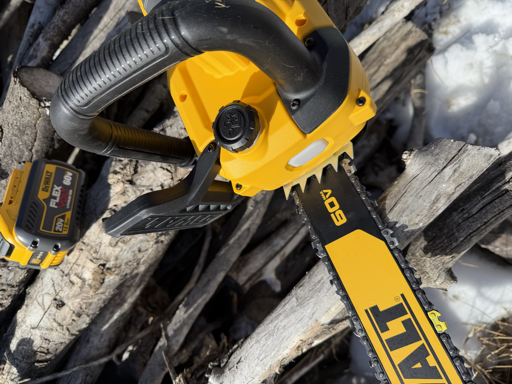
For my first run, I used a 12 amp-hour FlexVolt battery. I’ll say this plainly: the saw is heavy. You’re going to get a workout. Personally, I wouldn’t run this saw with anything smaller than a 6 amp-hour battery, but the weight is something you need to be aware of going in.
Oil System: Finally Fixed
This is a big one.
The 12-inch and 16-inch DeWalt chainsaws have a known oil-leak issue. The oil port design simply doesn’t seal well. If you store the saw with the handle up, oil will leak out. I’ve had it leak all over toolboxes and the back of my truck. You end up having to be very deliberate about how you store and transport those saws.
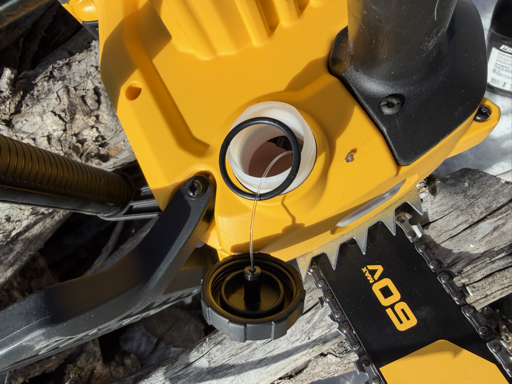
The 18-inch FlexVolt fixes this problem properly. The oil cap has a real O-ring seal, and it works. No leaks so far, which alone is a major quality-of-life improvement.
In Use: Power, Batteries, and Ergonomics
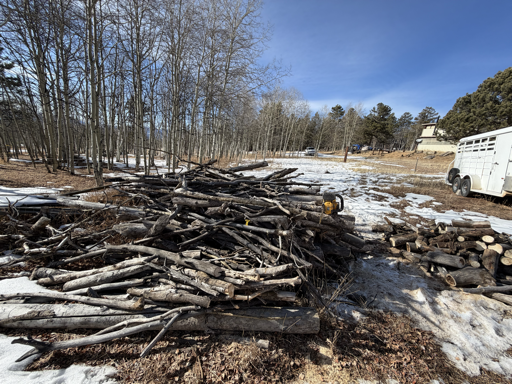
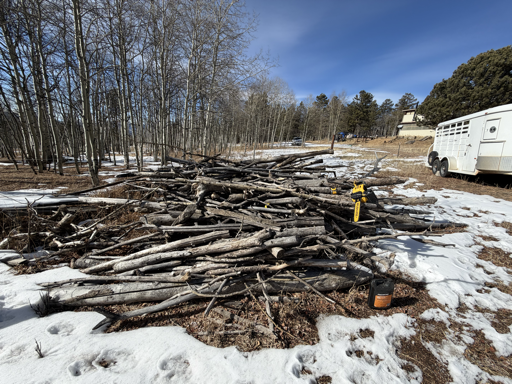
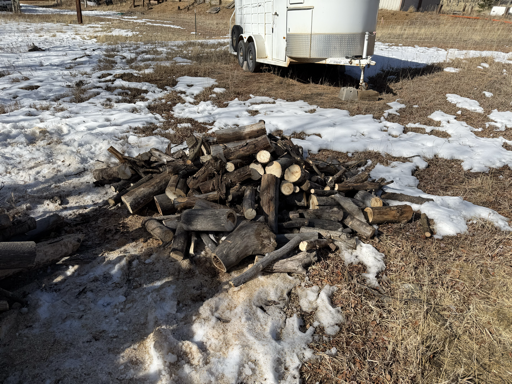
I put the saw to work on a large pile of aspen and pine—soft woods, but still substantial logs.
The saw performs extremely well. It’s powerful, stable, and cuts confidently. That said, it absolutely chews through batteries. Over about three hours of work, I went through three 12 amp-hour batteries. That’s not a complaint—it’s just reality. This tool draws serious power.

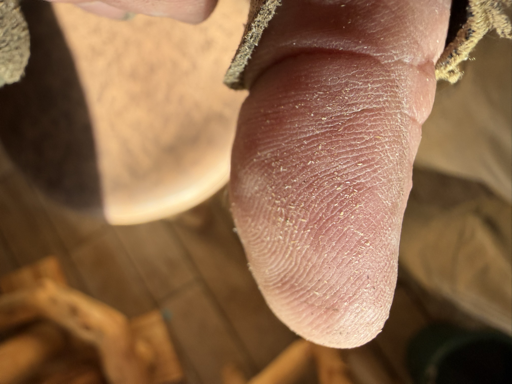
One ergonomic note: the thumb safety lever. Like all DeWalt tools, you have to depress it before pulling the trigger. I was wearing fingerless gloves for dexterity, and after several hours, I actually developed a blister on my thumb from that safety switch. It’s textured so your thumb doesn’t slip, which makes sense—but I’d strongly recommend wearing proper gloves if you plan to use this saw for extended periods.
The kickback guard works as expected. It’s standard chainsaw safety equipment and functions exactly as it should.
Chain Adjustment: More Traditional
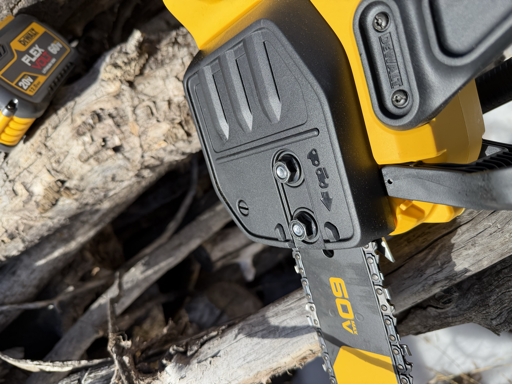
Unlike the 12- and 16-inch saws, which use a tool-free chain tension system, the FlexVolt 18-inch uses a more traditional setup. You’ll need tools to adjust the chain tension: loosen the bar nuts, adjust tension with a screw, and tighten everything back down.
If you’ve used gas chainsaws before, this will feel completely normal. It does mean carrying a wrench or screwdriver, but that’s not a big deal—cargo pants or a tool belt solve that problem easily.
Final Thoughts
This saw is a beast.
It’s heavy, powerful, and very capable. As long as you have batteries to feed it, it will keep cutting. The trade-off for that power is battery consumption—but that’s the nature of high-RPM electric tools.
FlexVolt batteries come in 6, 9, and 12 amp-hour sizes. I own all three. The larger batteries weigh more and cost more, but if you’re doing serious work, they’re worth it. I already had 12 amp-hour batteries because I also own the DeWalt 20-volt log splitter (which I’ll review separately).
Would I replace a gas chainsaw with this on a professional logging crew? Probably not. You’d need a lot of batteries and a generator to keep them charged. It’s doable, but not especially practical.
That said, if you live on a ranch, have acreage, or regularly deal with larger trees, this saw is absolutely worth owning. The power is there, the oil leak issue is fixed, and overall it’s a solid, well-built tool.
You won’t be disappointed.